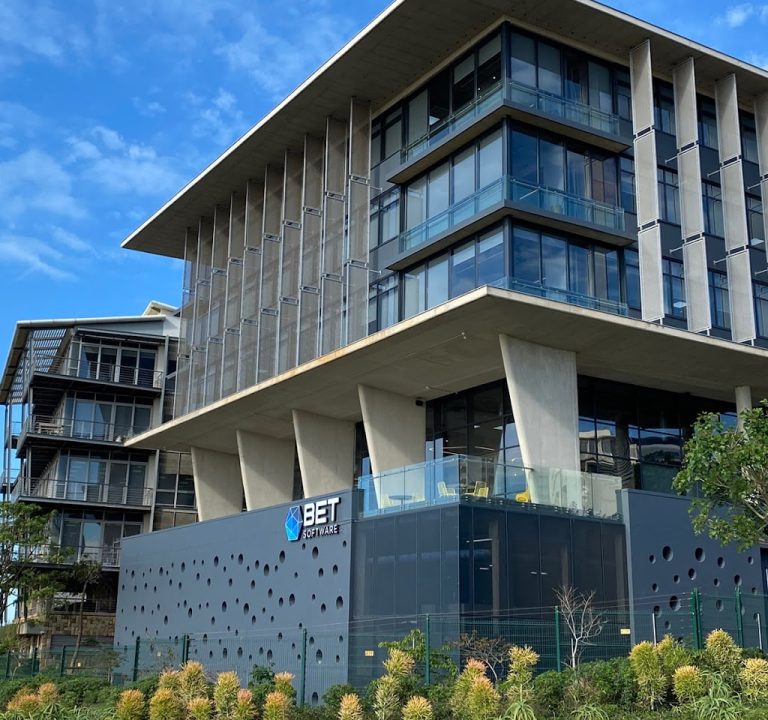
CRM Apps is a Software company establishment in Durban, KwaZulu-Natal, South Africa
CRM Apps in Durban: Services and Customer Experience
CRM Apps presents a cloud-based customer relationship management solution designed to help businesses in Durban, KwaZulu-Natal, and beyond to manage customer data, sales processes, and team collaboration from a single platform. The service positioning emphasises future‑driven technology that supports real‑time insights and scalable, cross‑platform access. The approach appeals to organisations seeking an integrated CRM that can be customised to suit diverse industry needs while maintaining secure data handling and straightforward workflows.
The core offering centres on a modular CRM that combines dashboards, analytics, and communications tools with reliable data management. Key features highlighted include real‑time dashboards, cross‑platform integration, complete analytics, and built‑in privacy protections with user authentication. The emphasis on adaptable design suggests the product is pitched as suitable for any business, from small teams to larger operations, with a focus on universal applicability rather than industry‑specific constraints.
From a functional standpoint, CRM Apps provides a structured suite of modules that cover essential CRM activities. At the front end, users can expect contact management capabilities that consolidate company details, contact histories, and interaction records into a central repository. The platform supports lead discovery and management, enabling segmentation and outreach from a single database. Email management is integrated to streamline conversations, with templates aiding consistent communication. Appointment scheduling links to calendars to keep client engagements organised, while a sales pipeline module offers real‑time dashboards to visualise progression through stages. An analytics component monitors team and campaign performance, delivering insights drawn from captured data.
Team collaboration is facilitated through built‑in team chat, which complements task management and enables coordinated efforts across the sales process. The cross‑platform nature of the solution implies compatibility with multiple devices and external applications, supported by API integrations that connect the CRM with other business and social tools. This integration capability is presented as a means to centralise operations and reduce duplicated data entry, thereby supporting more efficient workflows and accurate reporting.
Three practical ways the CRM aims to simplify sales management are highlighted. First, lead generation and organisation are supported from anywhere, with automation features designed to streamline lead segmentation for targeted outreach. Second, the sales cycle is accelerated through pre‑built templates that help structure campaigns, allowing leads to progress toward conversion in a central environment. Third, the platform focuses on centralised storage of tasks and sales activities, combining dashboards and real‑time analytics to boost the effectiveness of campaigns and team performance.
Customer experience considerations emphasise customisability and trust. The dashboards are described as customizable and designed to provide workload visibility and transparency in customer data. Reporting is portrayed as trustworthy, deriving from processes embedded within the CRM, ensuring managers and teams can extract meaningful insights. Proactive service is framed as a means to anticipate customer needs, while automation supports routine, repetitive tasks such as lead capture, email dispatch, and response handling, with a focus on client retention and efficient response times.
On a practical level, potential users in Durban can expect a solution that is designed to organise and simplify customer information, giving teams access to complete lead histories and collaborative visibility across the business. The platform’s emphasis on a central repository for contacts, integrated from email and communications channels, suggests a reduction in data silos and an improvement in cross‑department coordination. The availability of a free trial period (14 days for the Basic and Pro plans) indicates an opportunity to evaluate feature sets, automation capabilities, and user experience before committing to a paid tier.
Operational tips for prospective customers include: map current workflows to identify which modules will deliver immediate value, such as Leads, Contacts, Email Management, and the Sales Pipeline; plan data imports carefully to maintain data integrity during transition; leverage the customizable dashboards to prioritise metrics relevant to Durban‑based sales objectives, such as regional pipeline health and response times; and utilise the Team Chat feature to foster timely collaboration on client interactions and follow‑ups. For organisations considering expansion, the API Integrations module offers the potential to connect existing systems and social platforms, enabling a more seamless enterprise ecosystem.
While specific business hours or local support arrangements are not detailed in the available materials, the platform’s emphasis on cloud accessibility and real‑time data suggests a focus on online access and remote collaboration, suitable for businesses operating within the KwaZulu‑Natal region and beyond. The service position indicates readiness to accommodate various business sizes, with scalable plans designed to support growth while maintaining user‑friendly interfaces and secure data handling in line with contemporary privacy expectations.
Durban
KwaZulu-Natal
4319
South Africa
Sorry, no records were found. Please adjust your search criteria and try again.
Sorry, unable to load the Maps API.
Software services in Durban, KwaZulu-Natal
Durban, a dynamic hub on the eastern coastline of South Africa, hosts software firms that deliver a broad range of technology solutions tailored to local and regional needs. Clients in KwaZulu-Natal and beyond can expect a mix of custom software development, advisory services, and ongoing support designed to optimise business processes and digital efficiency. Local providers commonly operate with an emphasis on practical outcomes, robust delivery practices, and responsive client engagement that aligns with South Africa’s commercial environment.
Typical offerings encompass custom software development, enterprise and mid-market systems, and solutions designed to integrate with existing infrastructure. Organisations may require bespoke platforms for finance, logistics, retail, manufacturing, or healthcare, complemented by interfaces for web and mobile access. Alongside development, many Durban-based teams provide IT consulting to map technology visions to feasible roadmaps, including feasibility studies, technology selections, and architecture reviews. This guidance often emphasises sustainability, scalability, and compatibility with current systems while acknowledging resource and budget realities common to the region.
Cloud and digital solutions form a core component of the service mix. Providers frequently assist with cloud migration, application modernization, and the deployment of scalable services that support remote or decentralised teams. Mobile strategy is also common, with development capabilities spanning iOS and Android ecosystems, designed to extend essential business capabilities to field teams, sales channels, or customer portals. In addition, data-focused offerings such as reporting, analytics, and business intelligence help organisations extract actionable insights from information assets, subject to data governance practices relevant to South African regulatory standards.
Security and reliability are recurring considerations. Software firms in Durban recognise the importance of protecting sensitive information, maintaining system availability, and implementing practical security controls aligned with industry norms. This often includes risk assessments, secure coding practices, and incident response planning, coupled with regular maintenance activities to address software updates, patching, and performance optimisation. Businesses typically expect dependable service levels, transparent communication, and a clear understanding of what is included in support arrangements, whether through sustained maintenance, on-demand assistance, or managed services.
Engagement models vary, but common patterns include collaborative development projects, managed services, and staff augmentation. A typical engagement begins with a discovery phase to define objectives, constraints, and success metrics. This is followed by design and architecture work, development sprints or iterative cycles, testing, and user acceptance or sign-off. Deployment may involve staged rollout, training for end users, and the provision of documentation. Ongoing support and judicious enhancements operate as a cycle of feedback, monitoring, and continual improvement. The approach favours clarity on deliverables, timelines, and budget, with a preference for practical milestones and demonstrable progress.
Practical considerations for Durban-based software engagements include understanding regional connectivity, scheduling across time zones where applicable, and aligning with local procurement processes. Many clients value firms that appreciate the local business climate, compliance expectations, and regional market dynamics. Availability of local talent, cost considerations, and proximity to clients for in-person collaboration can influence project planning and vendor selection. It is common for projects to emphasise iterative development, visible progress demonstrations, and close collaboration between business stakeholders and technical teams to ensure that the final solution meets real-world needs.
Overall, software services in Durban combine technical capability with a pragmatic, outcomes-oriented mindset. Clients can expect a mix of development, cloud and data services, IT advisory, and reliable ongoing support, delivered by teams familiar with the demands of South African organisations and the KwaZulu-Natal business terrain. The emphasis remains on delivering usable, scalable systems that integrate smoothly with existing operations while providing clear value and sustainable long-term benefits.