Hartley Road Primary School is a School establishment in Durban, KwaZulu-Natal, South Africa
Hartley Road Primary School – Dubai Durban, KwaZulu-Natal: Overview of Services and Experience
Hartley Road Primary School, located in the Berea area of Durban, KwaZulu-Natal, presents itself as a long-standing educational institution offering primary-level schooling with a focus on high-quality education and reliable service delivery. Drawing on the school’s own descriptions, the environment is portrayed as enriching, supportive, and nurturing, with emphasis on keeping parents, learners, and visitors informed and connected through the school’s digital presence and communications platforms.
The core offering is standard primary education for children within the school’s capacity, complemented by a structured curriculum designed to prepare pupils for technological and scientific advancement, social responsibility, cultural sensitivity, and civic engagement. The school’s stated curriculum goals emphasise fostering competencies across multiple domains, including scientific literacy, environmental awareness, physical well-being, and personal growth. This aligns with a holistic approach to education that seeks to equip learners for active participation in contemporary society.
A distinctive feature of Hartley Road Primary School is its broad set of on-site facilities, constructed to support both learning and co-curricular development. The campus is equipped with modern infrastructure intended to enhance the student experience across several domains:
- Grounds and pavilion areas for safe, open-air activities and social interactions.
- A dedicated hall for assemblies, cultural programmes, awards, and community gatherings, with integrated sound and lighting capabilities.
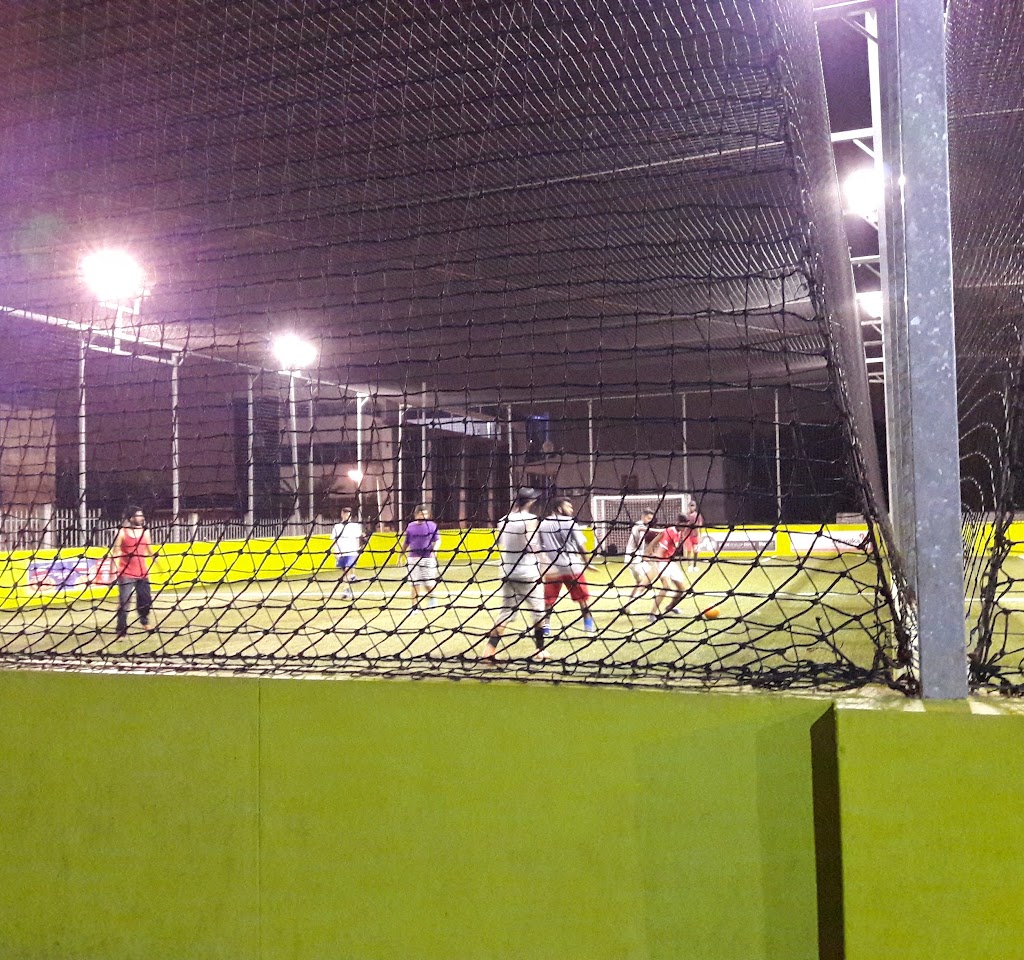
- An astro turf for durable, year-round use in soccer, cricket, and related sports.
- A swimming pool supported by qualified coaches for swimming lessons and water safety.
- Two prayer rooms providing quiet spaces for spiritual reflection.
- A jungle gym designed for younger learners to develop motor skills safely.
- Recess spaces with shaded areas to accommodate breaks and informal socialising.
- A fully upgraded tuckshop focused on offering здоровая-valued meals and efficient service.
- An athletics track supporting track and field activities and school sports programmes.
- Coding and robotics laboratories geared towards practical, future-ready digital skills.
- A well-stocked school library as a learning hub for reading, research, and study.
- A conference centre available for workshops, training sessions, and meetings, with advanced audio-visual facilities.
From an administrative perspective, the school provides clear pathways for admissions, with walk-in applications accepted, and mentions of online application processes as they become available. This indicates an understanding of accommodating both in-person visits and digital submissions, likely aimed at simplifying enrolment for families. The site references essential policies and procedures through downloadable documents, including school rules, uniform policy, and the learner code of conduct, which contribute to a structured and predictable school environment.
Communication and parent engagement appear to be supported by digital channels, including a D6 Connect application designed for mobile devices, emphasising the importance of convenient information flow for families. The school also advertises a transparent calendar and sports planning materials, such as a school calendar and a sports calendar, which can help families coordinate participation in academic and athletic activities throughout the year.
Hartley Road Primary School operates within a community context that includes a heritage narrative surrounding its location and name. The “Our History” section describes the school’s evolution and ties to local landmarks, underscoring a sense of continuity and rootedness within Durban’s educational landscape. This historical dimension may contribute to a sense of place and belonging for learners and their families, alongside the formal curriculum and facilities described above.
Typical experiences anticipated for students and families include participation in an array of curricular and co-curricular activities, access to specialist resources such as Coding and Robotics Labs, and engagement in sports through the athletics track and astro turf. The presence of a pool and diverse hall facilities suggests opportunities for structured physical education, talent showcases, and community events. In addition, the library and resources section implies a commitment to independent study and research, supporting a well-rounded learner journey.
Practical tips for prospective families include noting the walk-in admissions option and staying informed via the school’s website for updates on online application availability. Engaging with the D6 Connect app may facilitate timely communication regarding notices, schedules, and school announcements. Visitors should be prepared for a campus with a broad set of facilities and a busy schedule of assemblies, sports, and events, which could influence the best times to visit or tour the school.
Geographically, the school is situated on Hartley Road and Hopelands Road, in Durban’s Berea region, serving the surrounding community with a comprehensive primary education offering. While specific business hours are not stated within the available content, the combination of in-person admissions and digital communications reflects a hybrid model designed to accommodate varied family routines.
Durban
KwaZulu-Natal
4091
South Africa
Sorry, no records were found. Please adjust your search criteria and try again.
Sorry, unable to load the Maps API.
School Services in Durban, KwaZulu-Natal
Durban, a coastal city in KwaZulu-Natal, offers a diverse range of school services designed to support learners from early years through to adolescence. In this urban and suburban context, education providers typically deliver both core academic instruction and supplementary programmes that address wellbeing, development, and practical needs. The emphasis is on facilitating a structured, safe environment where learners can progress academically while gaining essential life skills.
Across Durban, schools commonly deliver primary and secondary education with a strong focus on foundational literacy and numeracy, complemented by science, social studies, arts, and physical education. Many institutions emphasise bilingual or multilingual instruction, reflecting the region’s linguistic diversity, and may offer English as a medium of instruction alongside local languages. Learners often have access to specialised subject areas such as information technology, mathematics enrichment, and science laboratories, subject to the resources available at each school.
A typical range of services includes transport arrangements, school meals or catering facilities, and after-school care. Transport services aim to accommodate daily commutes for families and may involve bus arrangements that reach surrounding townships and suburban areas. In some instances, schools partner with local providers to ensure safe and reliable options for learners who arrive by foot, taxi, or private arrangements. Catering services vary by school and can include nutritious meal plans, cooked meals, and snacks designed to support healthy development and concentration throughout the day.
Extracurricular activities form a notable component of Durban’s school ecosystem. A variety of sports, performing arts, clubs, and competitive or community-based activities are commonly available. These offerings can enhance teamwork, discipline, and resilience, while also enabling learners to explore interests beyond formal curriculum. Practical programmes such as computer clubs, robotics, environmental projects, and language clubs may be available, subject to staffing and funding.
Support services for learners and families are regularly emphasised. Guidance and counselling services assist with academic planning, career awareness, and personal development, alongside social and emotional wellbeing. Schools may provide or facilitate access to learning support for students with additional needs, including assistance for learners who require differentiated instruction or extra practice in core subjects. Where applicable, measures to promote inclusive education are observed, with attention to accessibility, respectful treatment, and reasonable adjustments as required.
The admission and registration processes are typically structured rather than informal. Parents or guardians usually present documentation, proofs of residence, and prior academic records. The length and complexity of these processes can vary between schools, particularly between independent institutions and public or government-assisted schools. Ongoing financial considerations may include tuition, school fees, and optional levies for specific programmes. Clear information about schedules, term dates, and assessment timelines is generally provided to families at enrolment and reiterated throughout the academic year.
Safety, security, and school culture are emphasised across Durban’s educational settings. Schools typically implement supervised entry and exit procedures, clear behavioural expectations, and codes of conduct. Community ties are increasingly valued, with partnerships that extend learning beyond the classroom through outreach with local organisations, volunteering opportunities, and programmes that promote civic responsibility.
Overall, Durban’s school services aim to balance academic rigour with holistic development, offering practical support structures to help learners thrive within a dynamic urban environment. Prospective families are advised to review individual school prospectuses to understand the specific services, facilities, and policies on offer, while considering travel logistics, language requirements, and the local context of KwaZulu-Natal.