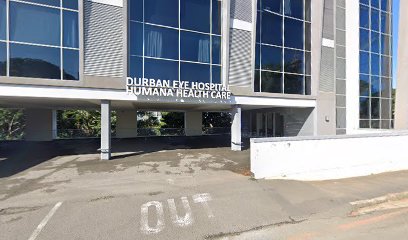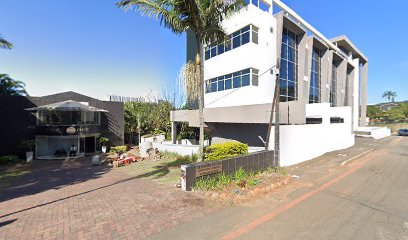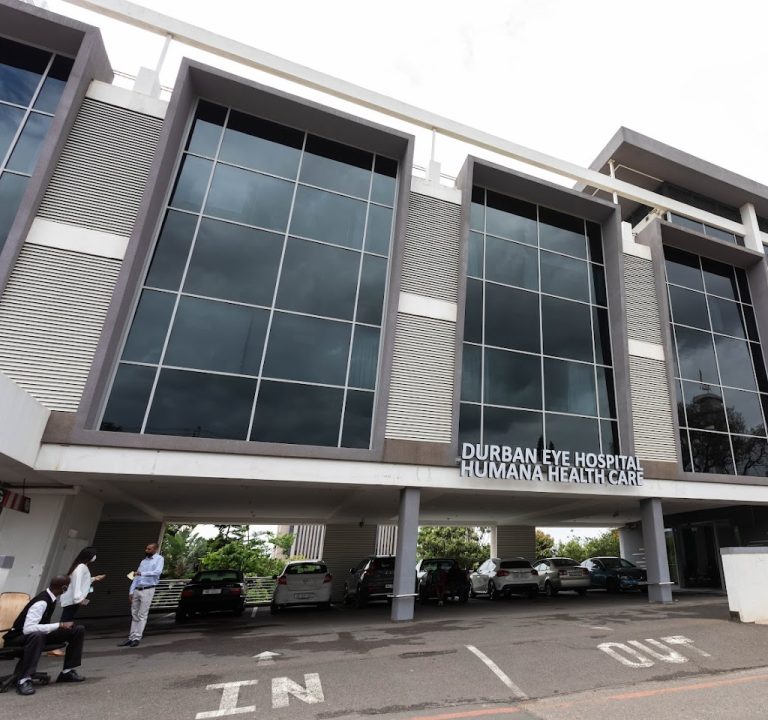
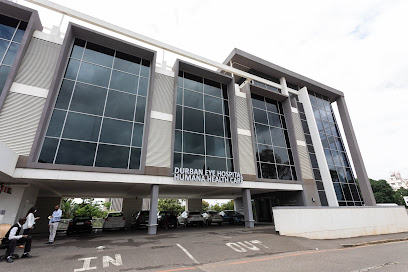
Humana Health Care is a Hospital establishment in Durban, KwaZulu-Natal, South Africa
Humana Health Care: Sub-acute Hospital Services and Patient Experience in Durban
Humana Health Care operates as a 22‑bed sub-acute hospital located in Durban, KwaZulu‑Natal. The facility emphasises a serene, patient‑centred environment designed to support recuperation following acute illness or injury. The site highlights a range of in‑house and partner services that focus on rehabilitation, mobility, and daily living after discharge from an acute hospital setting.
Key clinical services are delivered through a multidisciplinary team. In‑house offerings include physiotherapy, occupational and speech therapy, and dietary support from qualified dieticians. The hospital also collaborates with external specialists to provide wound care using contemporary techniques, as well as care for diverse needs such as stoma and tracheostomy management. Additional support from psychology services and a network of specialist therapy teams helps address broader rehabilitation requirements, including stroke rehabilitation and post‑ICU care.
Discharge planning and caregiver training form a distinctive feature of Humana Health Care. The facility promotes “discharge planning and transfer of skills” to empower family members or carers with practical knowledge for home care. This holistic approach is designed to optimise long‑term recovery and independence after discharge.
Patient choice is emphasised in care planning. Residents can select their attending doctor where applicable, while the facility can arrange a visiting GP if required. A dedicated case management approach helps coordinate care, especially for patients transferring from other facilities or those requiring referrals for medical aid authorisation.
Humana Health Care is integrated with local medical aid providers and accepts both medical aid and cash patients, subject to pre‑admission requirements. The hospital maintains relationships with an on‑site and visiting nursing team, and it collaborates with several physiotherapist groups, speech therapists, and dieticians to meet individual rehabilitation plans. The overall aim is to deliver a high standard of sub‑acute care in a state‑of‑the‑art environment.
Facilities within the hospital support comfortable, functional rehabilitation. The site notes two private wards, two semi‑private wards, and four four‑bed wards, along with a roof garden and a tranquil dining area to aid recuperation. A MaxiSky patient lifter—the first of its kind in South Africa—supports safe transfers between beds, strengthening patient safety and comfort during daily movement.
Durban Eye Hospital operates within the same building, offering a separate day hospital service with two operating theatres and ophthalmic nursing support, which contributes to the overall breadth of medical services accessible at the location.
Requests and admissions are typically managed through a formal process. A referral from admitting doctors or a direct admission pathway via the case manager is available. Documentation requirements include updated treatment scripts, MRSA/CRE screening results, medical aid details, patient identification, and chronic medication information. Where a patient is transferred from an acute facility, coordination between institutions is arranged to ensure continuity of care.
Visiting hours are published to support family involvement in care. Visitors may access the facility between 3–4pm and 7–8pm daily, subject to bed availability and nursing schedules. The centre encourages regular family visits and the use of the roof garden when mobility allows, as part of a broader wellbeing strategy. Under‑12s require special permission before visiting.
Humana Health Care is located at 38 South Road, Overport, Durban, and serves patients across the Durban area and surrounding districts seeking sub‑acute rehabilitation and ongoing medical support outside of acute hospital care.
Practical tips for potential patients and families include preparing for a discharge plan early in the stay, ensuring MRSA/CRE screening results are obtained before admission, and organising medical aid authorisation where applicable. The facility’s approach to caregiver training can be particularly valuable for families preparing to take on home care responsibilities after discharge.
- Main services: multidisciplinary rehabilitation (physiotherapy, occupational and speech therapy), wound care, dietetics, psychology, and diverse therapy collaborations.
- Typical cases: post‑operative and post‑acute rehabilitation, stroke care, oncology or chemotherapy support, long‑term recuperation, and palliative sub‑acute care.
- Request workflow: contact the case manager, supply required documentation (LOMs for medical aid authorisation where relevant), and arrange admission through the formal submission and transfer processes.
- Visiting and experience tips: utilise visiting hours, explore the roof garden for fresh air, and participate in caregiver training sessions when offered.
Durban
KwaZulu-Natal
4001
South Africa
Sorry, no records were found. Please adjust your search criteria and try again.
Sorry, unable to load the Maps API.
Hospital services in Durban, KwaZulu-Natal: what to expect
Durban, located on the east coast of South Africa in KwaZulu-Natal, offers a broad range of hospital services delivered through both public and private healthcare providers. An external observer would note a healthcare landscape that combines acute emergency care, diagnostic capabilities, specialist treatment, and ongoing rehabilitation within urban medical centres and regional hospitals. The following overview describes the typical services and practical considerations for patients seeking hospital care in this area.
Emergency and trauma care form a central pillar of hospital services in Durban. Local emergency departments are equipped to respond to a wide array of incidents, from road traffic accidents to medical emergencies such as heart or stroke events. Resuscitation, triage, stabilisation, and rapid transfer to appropriate wards or specialty units are standard components of initial care. Public facilities often operate under high demand, while private hospitals may offer shorter wait times for urgent assessment depending on availability and insurance arrangements.
Diagnostic services underpin most hospital encounters. On-site radiology departments provide X-ray, ultrasound, CT, and MR imaging where available, complemented by laboratory services for blood tests, biochemistry, microbiology, and pathology. These services support diagnostic accuracy and help guide treatment decisions across medical, surgical, and obstetric pathways. Access to modern imaging and laboratory turnaround times can vary between institutions, with private facilities frequently able to deliver results more rapidly.
Specialist medical and surgical care encompasses a broad spectrum of disciplines. General medicine and surgery teams address routine and complex conditions, while subspecialties such as cardiology, orthopaedics, neurology, urology, ENT (ear, nose and throat), ophthalmology, and dermatology respond with outpatient clinics and inpatient consultations. Oncology and haematology services are available in centres equipped for chemotherapy administration and related supportive care. Gynecology and obstetrics units provide maternity care, antenatal monitoring, labour and delivery services, and postnatal support, with varying offering levels across institutions.
Intensive care and high-dependency units play a crucial role for critically ill patients. These units feature continuous monitoring, advanced ventilatory support, and organ support where required, supported by multidisciplinary teams. Access to ICU/HDU beds depends on clinical need and resource availability, which may fluctuate in peak periods. Palliative and end‑of‑life care is also provided in many hospitals to support patients and families through advanced illness.
Rehabilitation, paediatrics, and women’s health are important components of hospital services in Durban. Rehabilitation services often include physiotherapy, occupational therapy, and speech therapy aimed at restoring function after injury, surgery, or illness. Paediatric units manage infant and child health needs, including neonatal care in facilities with appropriate equipment and expertise. Maternal and child health services emphasise safe delivery, newborn care, and education for families.
Practical considerations for patients include the admission process, waiting times, and discharge planning. Public facilities commonly require longer waiting periods for non-emergency consultations and elective procedures, whereas private hospitals may offer more predictable scheduling where financially feasible. Patients are advised to bring identification, relevant medical records, and information about current medications. Insurance documentation or proof of medical aid is often necessary in private settings, and some treatments may require pre-authorisation. Visiting policies vary by hospital and ward, with restrictions designed to safeguard patient care and privacy.
Locations across Durban and surrounding towns typically provide parking facilities, accessibility features for mobility-impaired individuals, and language support through bilingual staff and interpreters where available. Public health facilities emphasise essential services aligned with national health priorities, while private institutions frequently offer enhanced amenity levels and shorter patient routes to diagnosis and treatment. Across all settings, clear communication with clinicians and appropriate preparation for appointments, tests, or admissions contributes to a smoother hospital experience.