no-image
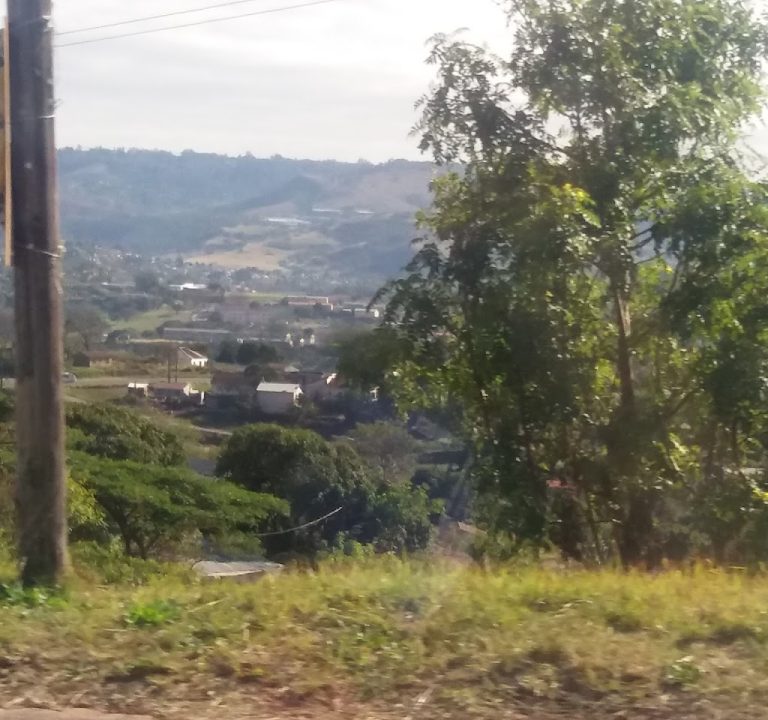
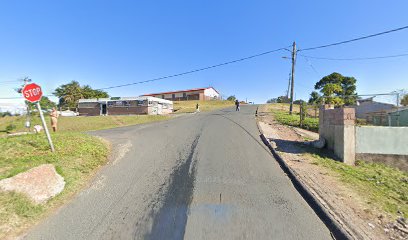
Insizwakazi Primary School is a School establishment in Pinetown, KwaZulu-Natal, South Africa
Pinetown
KwaZulu-Natal
Pinetown
South Africa

no-image
Sorry, no records were found. Please adjust your search criteria and try again.
Sorry, unable to load the Maps API.
School Services in Pinetown, KwaZulu-Natal: An Overview for Families
Pinetown, situated within the KwaZulu-Natal province, offers a range of school services that cater to diverse educational needs and family circumstances. The district hosts both public and independent schools, with some institutions providing a long-standing community presence while others offer contemporary curricula and facilities. Visitors can expect schools to align with national and provincial education standards, while also reflecting local priorities such as language offerings, cultural heritage, and community involvement.
For learners, basic services typically include primary and secondary instruction, guided by structured curricula and regular assessments. In many schools, pupils progress through identified grade levels with access to dedicated subject departments, classrooms designed for different age groups, and quiet spaces for independent study. Schools commonly communicate expectations through annual calendars, term dates, and parent information evenings, helping families plan around examinations, holidays, and school events.
A wide array of support services is usually available to address varied needs. Academic assistance may include tutoring programmes, remedial classes, and study skills workshops designed to bolster core subjects, literacy, and numeracy. For learners who require additional language support or enrichment, some schools offer enhanced language programmes or specialised language tutorials. In areas with diverse communities, schools frequently offer instruction in multiple languages or language support alongside English or Afrikaans, with the aim of fostering inclusive participation.
Extracurricular activities form a notable component of the school experience in Pinetown. Sport, arts, music, and cultural programmes are commonly provided to complement classroom learning. Clubs and societies often meet after school hours, contributing to teamwork, leadership development, and personal growth. Depending on the school, facilities may include playing fields, courts, auditoria, and workshops that support practical and creative endeavours.
Transport and safety are practical considerations for many families. Some institutions arrange dedicated bus routes or partner with local transport providers to facilitate travel from surrounding suburbs. Safe drop-off and pick-up procedures, secure campuses, and controlled access are typical features, with schools emphasising discipline, attendance, and courteous conduct as part of the school day.
Nutrition and wellness services are sometimes available to support student wellbeing. Where offered, school meal programmes or healthy eating guidance align with national school nutrition expectations. Health services may include on-site access to first aid, school nurses, or collaborations with local healthcare providers, particularly for ongoing health needs or emergencies.
Admissions and enrolment processes are usually straightforward but vary by school. Families commonly prepare standard documentation such as prior school records, proof of residence, and relevant identification. Public schools generally follow provincial admission policies, while independent schools may require application forms, assessments, or interviews. Fees, if applicable, are typically communicated in clear schedules and may include consideration for bursaries or scholarships where available.
Parents and guardians can expect a transparent overview of a school’s ethos, facilities, and community engagement. Visiting hours, open days, and information packs enable informed decisions, while annual reporting and parent-teacher communication channels maintain ongoing dialogue about attendance, progress, and achievements. In Pinetown, the overall experience aims to combine solid academic foundations with practical life skills, supported by a local network of educators, administrators, and community partners.