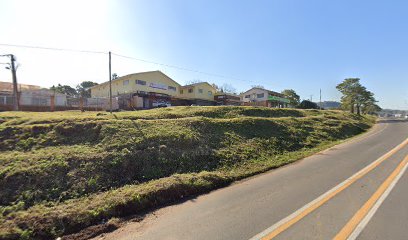
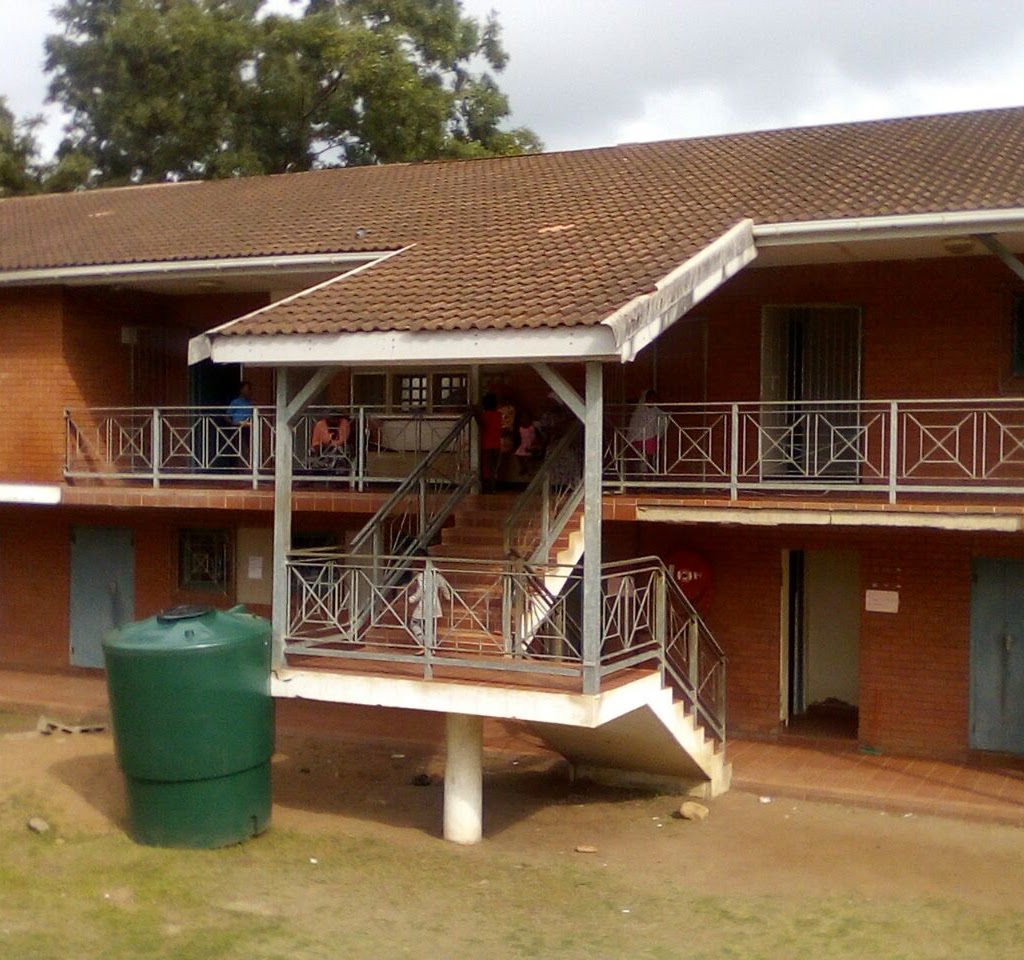
Zilweleni Darul Arqaam Centre is a School establishment in Pinetown, KwaZulu-Natal, South Africa
Pinetown
KwaZulu-Natal
3604
South Africa
Sorry, no records were found. Please adjust your search criteria and try again.
Sorry, unable to load the Maps API.
School Services in Pinetown, KwaZulu-Natal
In Pinetown, KwaZulu-Natal, school services span a broad spectrum designed to support learners from early years through to the end of compulsory schooling and beyond. The provision typically includes general education, specialised support, and facilities that cater to daily academic life as well as additional developmental needs. Local schools frequently emphasise a holistic approach, balancing core academic achievements with enrichment activities and well-being support.
Enrolment and admissions processes are commonly established by individual schools, with families guided through documentation, assessments, and tours of facilities. Prospective students may undergo placement assessments to ensure the correct grade level and pupil support. Schools usually outline their curriculum frameworks, progression routes, and assessment policies, enabling parents to understand how pupils will be assessed, monitored, and promoted.
Academic support services form a central pillar of school life. Classrooms are typically structured to facilitate both individualised attention and group learning. Additional learning support can include literacy and numeracy programmes, language support for learners who require extra assistance, and access to resources such as libraries, computer labs, and science laboratories. Some schools in the area may offer learning support units or remedial programmes, though specifics vary by institution.
Extra-curricular activities are a common feature, extending beyond the core timetable. Clubs and societies often cover areas such as sport, cultural activities, music, drama, and scientific or technological projects. Participation in these activities is usually optional but encouraged, with schedules designed to complement academic commitments. Travel to fixtures or events is typically organised by the school, sometimes with assistance from community partners or parent groups.
Student welfare and safety are prioritised through a combination of pastoral care, anti-bullying policies, and well-maintained campus facilities. Schools may provide guidance counsellors, detention and disciplinary frameworks, and safeguarding procedures. Communication with parents commonly occurs through formal channels such as student reports, parent-teacher evenings, and school newsletters, in addition to digital portals where appropriate.
Transport and accessibility represent practical considerations for families in Pinetown. Some schools offer school-based transport services or organise coordinated arrangements with local bus operators, while others rely on private arrangements or parental car journeys. Accessibility features, dedicated parking, and security measures are matters frequently addressed by school management to ensure smooth arrivals and departures at the start and end of the day.
Facilities often reflect the local environment and community needs. Classrooms are typically arranged to support modern teaching methods, with spaces for collaborative work, quiet study, and practical demonstrations. Recreational areas, sports fields, and courts support physical education and team activities. The climate and topography of KwaZulu-Natal can influence practical considerations such as outdoor spaces, shade, and seasonal scheduling of outdoor activities.
Communication with the wider community is a characteristic aspect of school life. Parents and guardians may engage with school leadership through assemblies, advisory bodies, or PTA-style forums. Local partnerships with community organisations, cultural groups, and sponsor networks can enrich the school experience and broaden opportunities for learners without substituting core educational aims.
When considering a school in Pinetown, families typically evaluate proximity, transport options, language of instruction, the breadth of curricular and extra-curricular offerings, and the overall atmosphere of the campus. Practical decisions often involve visiting prospective schools, reviewing published policies, and speaking with administration to understand how individual institutions support learners’ development within the KwaZulu-Natal context.