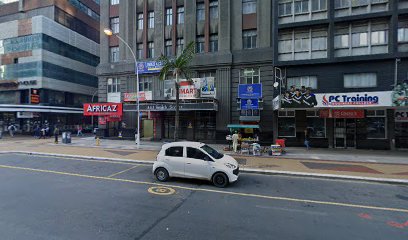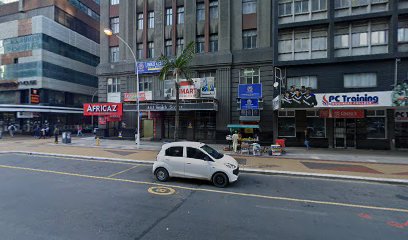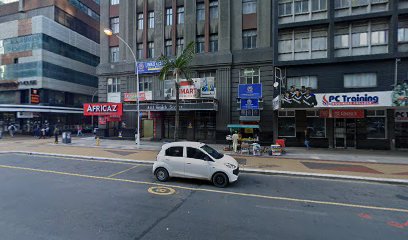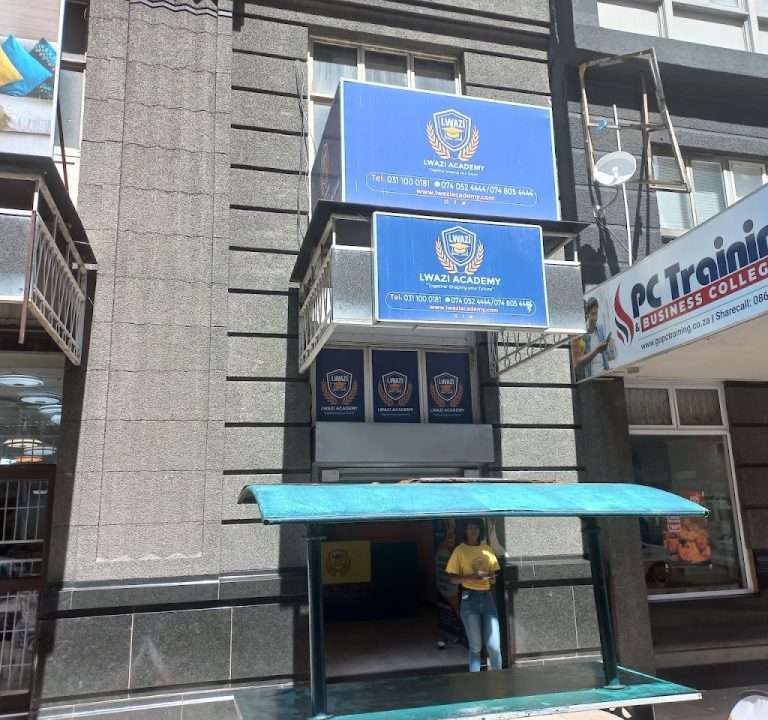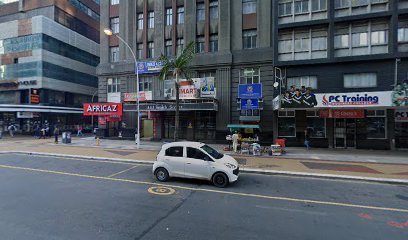
Jabez Plumbers and Projects is a Plumber establishment in Durban, KwaZulu-Natal, South Africa
Durban
KwaZulu-Natal
4001
South Africa
Sorry, no records were found. Please adjust your search criteria and try again.
Sorry, unable to load the Maps API.
Plumber Services in Durban, KwaZulu-Natal
Durban, a coastal city in KwaZulu-Natal, hosts a range of plumbing services that address domestic, commercial, and industrial needs. Local plumbers are accustomed to the region’s climate, with frequent issues arising from high humidity, coastal air, and seasonal rains. Residents and businesses typically seek reliable workmanship, prompt response times, and clear advice on long‑term fixes as well as short‑term remedies.
Plumbing work in Durban commonly covers a broad spectrum. Routine maintenance includes inspecting and clearing drains, repairing leaks, and servicing water heaters. Burst pipes and water hammer problems are frequent concerns given the mix of older housing stock and newer developments. In areas with older infrastructure, plumbers often diagnose corroded pipes or fittings and replace sections to prevent recurring leaks. Temperature control and energy efficiency are also considerations when servicing hot water cylinders and solar systems, which are popular in coastal climates.
Emergency response is a feature of the local plumbing landscape. Many Durban plumbers offer after‑hours call‑outs for urgent leaks, blocked toilets, or failed water supply, recognising that disruption can be costly for households and small businesses. When responding to emergencies, technicians typically perform a rapid assessment, isolate the problem, and implement temporary stoppers or diversions where necessary, followed by a plan for a lasting repair.
Water supply and drainage systems are central to most projects. Typical tasks include installing, repairing, or replacing taps, valves, and fixtures in kitchens and bathrooms; laying or repairing sewer and waste lines; and addressing foul odours or slow drainage. In new builds or renovations, plumbers collaborate with other trades to ensure compliance with local standards and optimal drainage alignment. Drainage solutions may involve clearing clogged lines with augurs or high‑pressure jetting, depending on the scenario and pipe material.
Water heaters and geysers are common focal points for maintenance in Durban. Plumbers assess heating elements, thermostats, pressure relief valves, and insulation to ensure efficient operation and safety. Solar water heating systems, an increasingly popular option in South Africa, may require specialist knowledge for panel connections, thermal expansion, and back‑up heating arrangements. Where plumbers install or service these systems, attention to energy efficiency and reliable hot water supply is prioritised.
Practical considerations for customers include obtaining clear estimates, understanding the scope of work, and confirming materials and warranty expectations. In Durban’s climate, corrosion resistance and appropriate pipe materials (such as copper, CPVC, or PEX where suitable) are important considerations, particularly in coastal properties. Arrangements for access, safety, and minimal disruption to daily routines are commonly discussed in advance. Local plumbers often provide guidance on maintenance routines, such as drain care, water pressure management, and how to identify signs of impending issues, helping property owners avoid costly emergencies.
A typical service visit follows a straightforward pattern. When a booking is made, the plumber arrives with the necessary tools and commonly used parts to perform a diagnosis. The initial assessment identifies the fault, and then a plan is proposed, outlining the required materials and timeline for completion. Upon agreement, repairs or installations proceed, with tests conducted to confirm proper function and leak containment. Clear documentation and follow‑up advice aim to support ongoing reliability and safety.
For residents of Durban and surrounding areas in KwaZulu‑Natal, reputable plumbers deliver a practical combination of emergency responsiveness, routine maintenance, and system upgrades. The emphasis remains on sound workmanship, adherence to local building practices, and pragmatic advice tailored to coastal living and climate‑related demands.