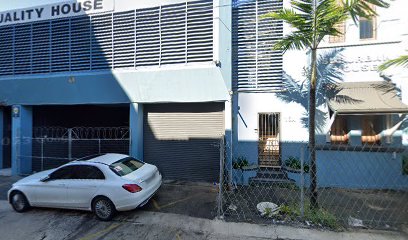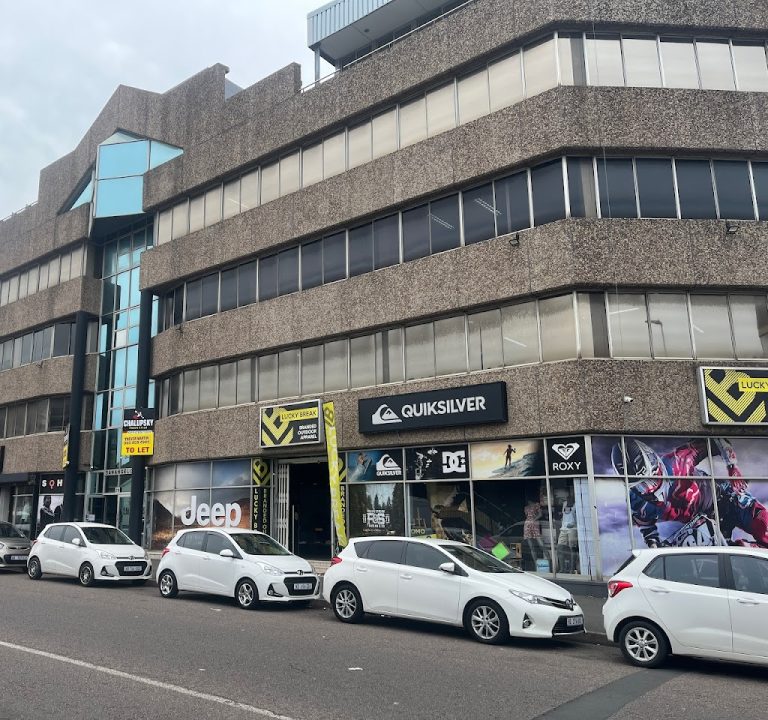
KEI Church is a Church establishment in Berea, Kwa-Zulu Natal, South Africa
Berea
Kwa-Zulu Natal
4001
South Africa
Sorry, no records were found. Please adjust your search criteria and try again.
Sorry, unable to load the Maps API.
Church services in Berea, Kwa-Zulu Natal: what to expect
Church life in Berea, Kwa-Zulu Natal, reflects a diverse Christian landscape that serves local communities with regular worship, fellowship and outreach. In this suburb of Durban, a range of denominations and church traditions can be encountered, including traditional Anglican, Catholic and Methodist congregations alongside Pentecostal and Charismatic groups. Typical weekly routines mix formal liturgy with contemporary praise, depending on the congregation, but all share a common aim: to provide a space for reflection, prayer and communal gathering.
Worship and service structure commonly begin with gathering, announcements and opening prayers. A sermon or homily follows, drawing from biblical texts and addressing everyday concerns such as personal resilience, community welfare and ethical living. In many churches, scripture readings are proclaimed aloud and accompanied by responsive prayers. Music forms an integral part of the experience; hymn singing alongside modern worship songs is common, with accompanied instruments ranging from organs and pianos to guitars and drums. In some congregations, worship may be more traditional, with choir-led anthems, while others embrace contemporary praise bands and multimedia presentations.
Sacraments and rites vary by denomination but are typically observed with regularity. Baptism, both infant and adult, is an important rite in many churches, while Communion (often referred to as the Lord’s Supper or Eucharist) is commonly celebrated on specific Sundays or during special occasions. Confession and pastoral counselling may feature in priestly or pastoral visits, especially in churches with a clearly defined sacramental life. In line with local practice, sermons often connect biblical messages to social responsibility, personal integrity and community service.
Sunday school, youth programmes and crèche facilities are frequently available to support families. These services provide age-appropriate teaching and activities while parents participate in worship. Prayer collects, midweek prayer meetings and healing services are offered by various congregations, reflecting the spiritual needs of the community. Some churches engage in outreach projects, such as food drives, supporting local shelters or partnering with charitable organisations to assist those facing hardship.
Practical considerations for visitors include accessibility and logistics. Parking is typically available on site or in surrounding streets, with some venues offering designated spaces for families and individuals with mobility needs. Dress codes vary; many Berea churches favour modest, respectful attire suitable for worship while some contemporary congregations adopt a more relaxed style. Arrangements for children’s safety and supervision are common, with clear signposting to meeting rooms and Sunday school areas.
Language and customs can influence the experience. Services are commonly conducted in English, with portions in Zulu or other local languages depending on the congregation. Attendees should be prepared for congregational participation, such as singing, responsive prayers or standing during certain hymns or readings. Providing a welcoming environment, most churches encourage visitors to stay for light refreshments or fellowship after the service, fostering a sense of community.
For those seeking spiritual companionship or guidance, Berea’s churches offer a spectrum of pastoral support, community involvement and worship styles. Prospective attendees are advised to arrive a little early to locate the right entrance, familiarise themselves with the facility, and greet members who may offer directions or information about upcoming services and events. Overall, a visit to a Berea church promises a respectful, reflective and socially engaged experience rooted in local tradition and fellowship.