no-image
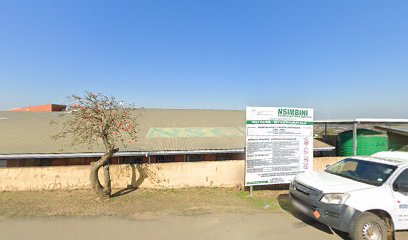
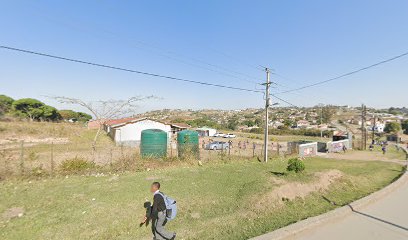
Khiphulwazi Primary School is a Primary school establishment in Golokodo-Ensimbini, KwaZulu-Natal, South Africa
Golokodo-Ensimbini
KwaZulu-Natal
South Africa
South Africa

no-image
Sorry, no records were found. Please adjust your search criteria and try again.
Sorry, unable to load the Maps API.
Primary school services in Golokodo-Ensimbini, KwaZulu-Natal
Primary schools in Golokodo-Ensimbini, KwaZulu-Natal, typically offer a broad programme designed to provide foundational literacy, numeracy, and social development for children aged seven to thirteen. The emphasis is on building confident learners who can participate in class, work collaboratively, and develop critical thinking skills. Education in this region often follows the national curriculum framework, with additional attention given to local languages, culture, and community needs. The environment tends to be straightforward and practical, prioritising safety, structure, and accessibility for families living nearby.
Core academic provisions usually focus on language and mathematics, with instruction delivered through daily lessons, guided practice, and periodic assessments. English and isiZulu commonly feature as instructional languages, reflecting regional linguistic practices. Other subjects typically include science, social studies, arts and crafts, music, physical education, and technology where available. Class sizes can vary, but the aim is to sustain meaningful teacher–pupil interaction and offer support for learners who require extra help outside normal timetable hours.
Support services often extend beyond core academics. Many schools provide breakfast or school meals, as well as safe, supervised playtimes that contribute to children's well‑being and readiness to learn. After‑school programmes may include homework clubs, reading support, and organised activities such as sports or arts projects. Practical logistics, such as school transport or community transport arrangements, may be facilitated through the school or local partnerships to help families access the classroom consistently.
Engagement with parents and caregivers is commonly encouraged through regular communications, parent evenings, and notice boards. Schools in this area frequently emphasise transparency around attendance, performance, and behavioural expectations, while also offering guidance on how families can support literacy and numeracy at home. In addition, schools may collaborate with local community groups to address broader well‑being concerns, including nutrition, safety, and social development initiatives.
Special educational needs and inclusive practices are generally embedded to varying degrees, acknowledging that learners may require different levels of support. This can include differentiated instruction within the classroom, targeted assistance for reading or numeracy, and access to guidance from school staff or external specialists where available. The focus is on enabling pupils to participate fully in lessons and activities, while respecting diverse learning styles and backgrounds.
Facilities and resources typically reflect the locality and funding provisions. Basic classroom furniture, whiteboards or chalkboards, and a selection of textbooks and learning aids form the backbone of daily lessons. External facilities such as libraries, science corners, or computer rooms may exist at some schools, though access can differ from one institution to another. Outdoor spaces—playgrounds, sports fields, and shaded areas—are important for physical development and practical lessons, particularly in KwaZulu‑Natal’s warm climate.
Practical considerations for families include understanding school hours, dress codes, and the process for enrolment and transfers. Attendance patterns are important, as irregular attendance can affect learning progression. Community expectations often place a high value on punctuality, mutual respect, and safety within school grounds. Prospective families are encouraged to consult local schools to confirm enrolment requirements, available support programmes, and any additional age‑appropriate activities offered throughout the academic year.
Overall, primary school services in Golokodo-Ensimbini are characterised by a pragmatic approach to education, rooted in foundational skills, community involvement, and a focus on creating a secure and supportive learning environment for young pupils.