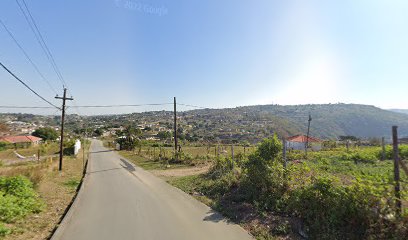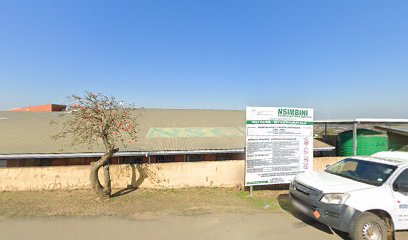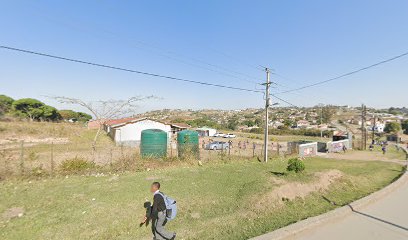
Zenzele Primary School is a Primary school establishment in Golokodo-Ensimbini, KwaZulu-Natal, South Africa
Golokodo-Ensimbini
KwaZulu-Natal
South Africa
Sorry, no records were found. Please adjust your search criteria and try again.
Sorry, unable to load the Maps API.
Primary school services in Golokodo-Ensimbini, KwaZulu-Natal
In Golokodo-Ensimbini, KwaZulu-Natal, primary schools offer a range of foundational educational services designed to support children through the early years of formal schooling. These institutions commonly emphasise literacy, numeracy, social development, and an introduction to science, history and geography, delivered through structured daily routines and classroom-based teaching. The emphasis is on creating a supportive learning environment that encourages curiosity, collaboration and personal growth among learners aged approximately five to fourteen years.
Curriculum delivery typically follows national or provincial guidelines, with classrooms organised to support different learning styles. A standard day might include language development in the home language or English, mathematics activities, physical education, and creative subjects such as arts and crafts or music. Teachers often incorporate local context and community life into lessons, helping learners connect classroom content with everyday experiences in Golokodo-Ensimbini and surrounding areas. Regular assessment activities, including informal observations and periodic tests, aid in tracking progress and identifying learners who may require additional support.
Beyond core academic work, primary schools in this region usually provide a range of complementary services. These include:
- School feeding programmes or partnerships to provide nutritious meals for learners.
- Behavioural and pastoral support, aimed at promoting positive conduct, emotional well-being and resilience.
- Special needs inclusion where feasible, with adapted lesson plans or additional support for learners requiring extra assistance.
- Life skills education, covering topics such as personal safety, health, hygiene and citizenship.
- Extracurricular activities, including sports, cultural clubs and basic arts opportunities, designed to broaden interests and encourage teamwork.
- Engagement with parents and carers through meetings and newsletters to keep families informed about school activities and learner development.
Practical considerations for families include transport arrangements, school uniform requirements, and the allocation of resources such as textbooks and stationery. In rural or peri-urban parts of KwaZulu-Natal, access to facilities can vary between schools; some campuses may provide well-equipped classrooms and computer labs, while others rely more heavily on traditional teaching methods and locally available resources. Attendance policies generally require punctuality and regular attendance, with mechanisms in place to support pupils who miss time due to illness or family commitments.
When enrolling, prospective families should expect a straightforward process that often requires birth certificates or proof of guardianship, immunisation records, and prior academic information where applicable. Schools typically arrange a welcoming orientation for new learners and may offer assessments to determine appropriate grade placement. Communication with caregivers is commonly maintained through notice boards, school newsletters, and simple digital channels where available, with emphasis on clear, respectful dialogue about learner progress and school expectations.
Facilities at primary schools in Golokodo-Ensimbini are generally designed to support safe and structured learning environments. A secure perimeter, clearly marked classrooms, and supervised play areas are common features, with emphasis on child safety and orderly routines. Sanitary facilities and clean water access are important considerations, particularly in hot KwaZulu-Natal conditions, and many schools strive to ensure these are well maintained. Overall, primary school services in this area aim to deliver stable educational opportunities, nurture young learners’ confidence, and lay a solid groundwork for further schooling and lifelong learning.