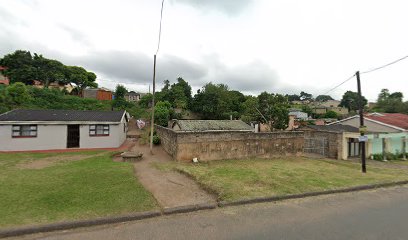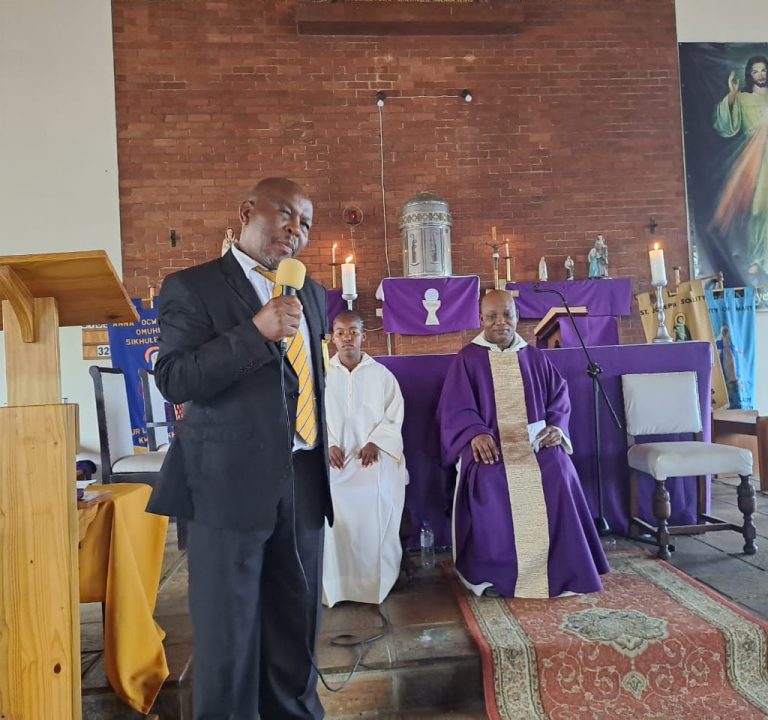
KwaMakhutha Roman Catholic Church is a Catholic church establishment in Amanzimtoti, Kwa-Zulu Natal, South Africa
Amanzimtoti
Kwa-Zulu Natal
4126
South Africa

Sorry, no records were found. Please adjust your search criteria and try again.
Sorry, unable to load the Maps API.
Catholic Church Services in Amanzimtoti, Kwa-Zulu Natal
Catholic parishes in Amanzimtoti form a central part of community life, offering regular worship alongside sacraments, catechesis and pastoral support. The services reflect the broader liturgical rhythm of the Catholic Church while adapting to the local context, including language, culture and the coastal setting of Kwa-Zulu Natal. Visitors and local residents can expect a respectful, contemplative atmosphere oriented towards prayer, fellowship and service.
Sunday worship is the focal point of parish life. A Mass typically combines sung or spoken prayers with readings from the Bible and the homily, delivered by the presiding priest or deacon. In Amanzimtoti, it is common for Mass to be celebrated in English, with occasional celebrations in Zulu or bilingual forms to reflect the diversity of parishioners. The liturgy follows the standard order of readings, Gospel proclamation, Eucharist and a concluding blessing, with opportunities for personal prayer afterwards. The congregation is encouraged to participate through responses, singing and readings when appropriate, and to observe moments of silence for reflection.
Weekday Masses provide additional occasions for prayer and sacramental life, often slotting into busy work and family schedules. These services are generally shorter than Sunday Mass and may focus on specific intentions, such as weekday memorials or special parish events. Attendance at weekday Mass is valued for nurturing regular prayer life and forming faithful routines.
The sacraments lie at the heart of Catholic parish services. Baptisms are commonly celebrated within the Mass or on separate occasions, often for infants and children, with catechetical preparation for parents and godparents. Confirmation preparation and receipt may occur in youth groups or parish programmes, integrating catechesis with parish life. The sacrament of Reconciliation (confession) is typically available at set times or by appointment, offering a quiet space for personal repentance and spiritual guidance ahead of major feasts or rites of passage.
Weddings and funerals are prepared with care, reflecting the solemnity of the occasions and the pastoral needs of families. Weddings usually involve pre-waptial counselling or preparation, with attention to spiritual dimensions as well as practical arrangements. Funerals, whether in the church or at local cemeteries, focus on prayer for the deceased and consolation for the bereaved, often incorporating Scriptural readings, prayers and eulogies within the Mass or service.
Within Amanzimtoti, practical considerations shape attendance and participation. Parking is typically available at or near church buildings, though spaces may be limited on Sundays or during holiday periods. Dress tends to be modest and respectful, with an emphasis on comfort for warm Kwa-Zulu Natal weather. The liturgical calendar influences which feast days and celebrations are observed, including Christmas, Easter and local Marian or saintly commemorations. Parish offices or welcome desks provide information on mass times, sacramental preparation, and community outreach programs, such as youth activities, catechetical classes and aid to those in need.
A Catholic church in this region emphasises hospitality and service, inviting parishioners and visitors to engage through liturgical life, prayer groups, and charitable works. For newcomers, the experience typically includes clear guidance on how to participate, where to sit, how to receive Communion (in the appropriate manner as directed by local practice), and how to access available sacramental preparation and support. Overall, the Catholic services in Amanzimtoti offer a steady rhythm of worship, sacrament, instruction and community, rooted in tradition while responsive to the local coastal community.