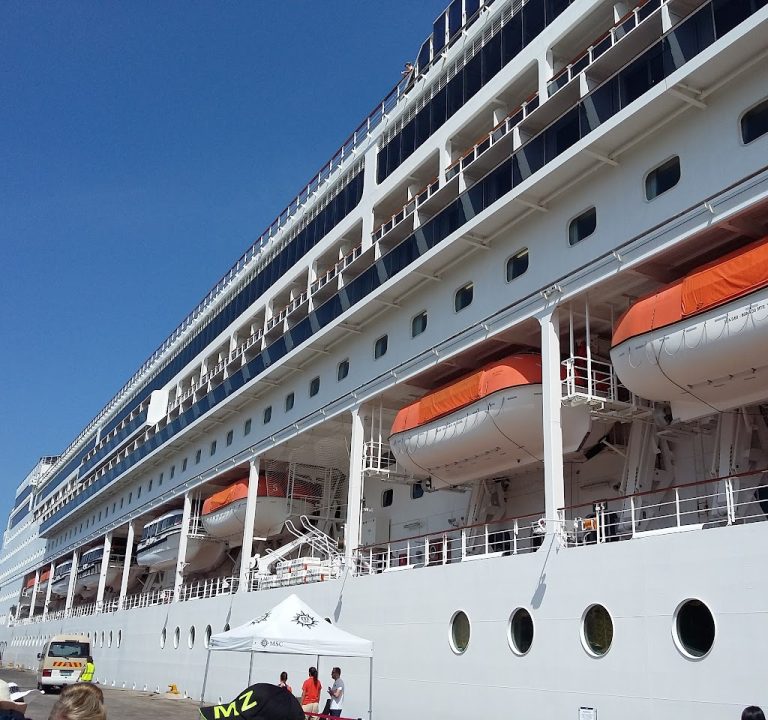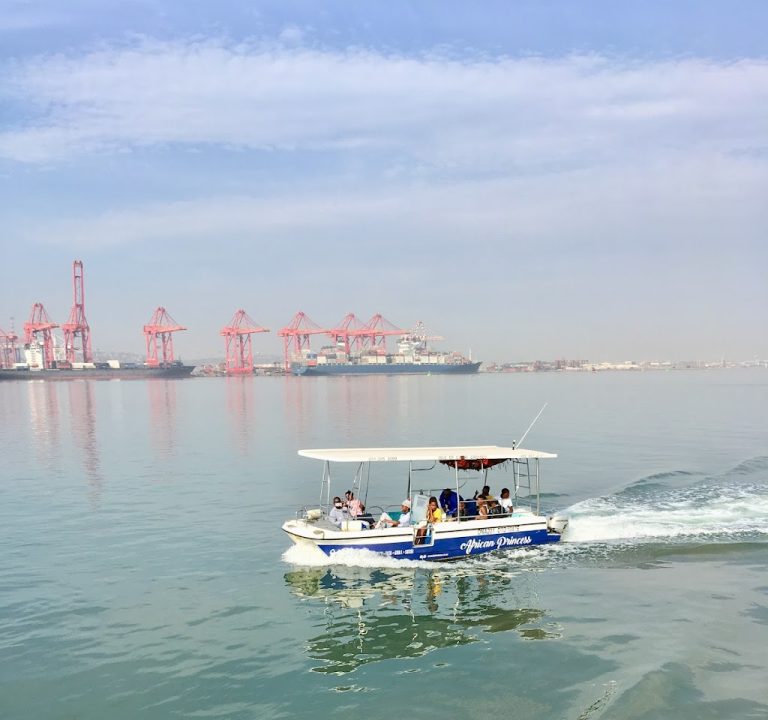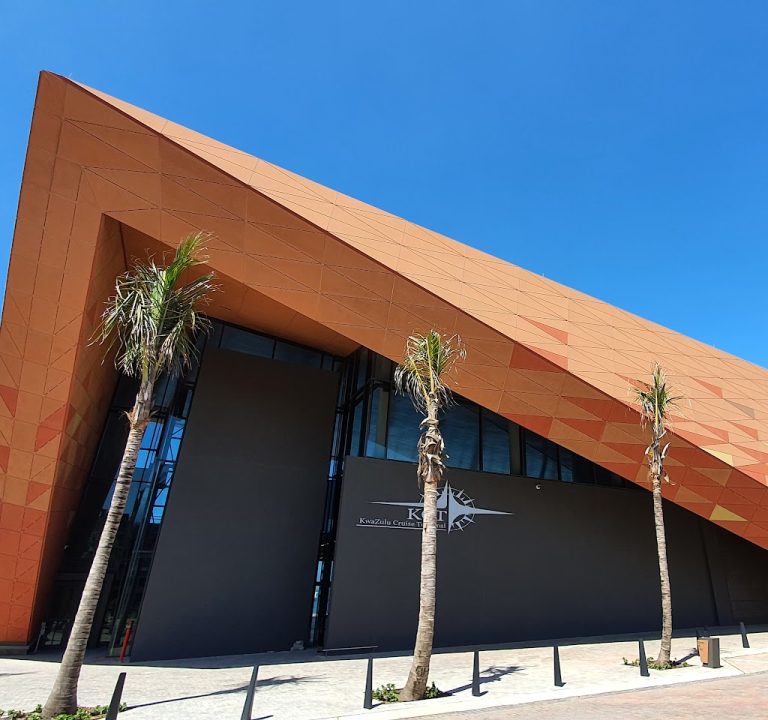
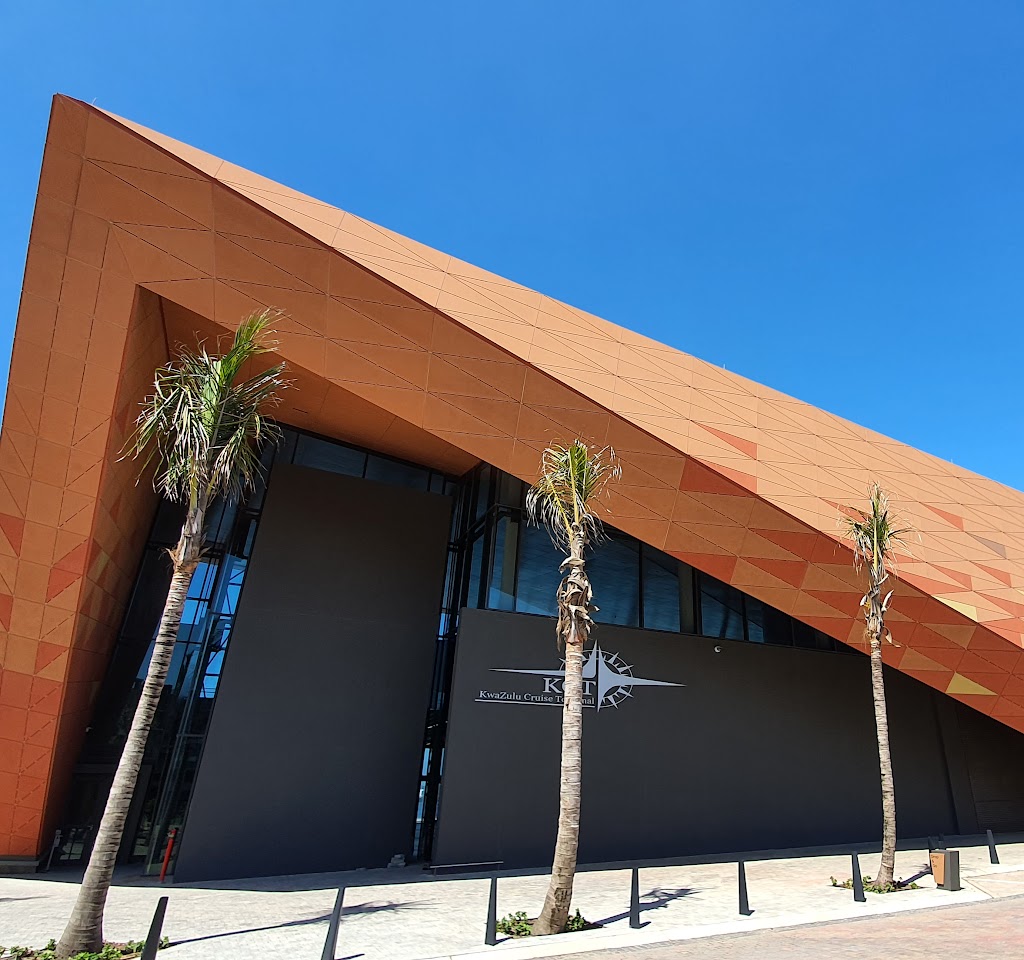
KwaZulu Cruise Terminal (Durban International Cruise Terminal) is a Cruise terminal establishment in Durban, KwaZulu-Natal, South Africa
KwaZulu Cruise Terminal (Durban International Cruise Terminal) — an independent editorial summary
KwaZulu Cruise Terminal, operated by KCT, is positioned within the Durban Harbour area and functions as the gateway for international cruise passengers visiting the city of Durban, KwaZulu-Natal. The facility is described as a modern, world‑class international terminal that provides a range of essential services designed to streamline the arrival and onward experience for voyagers. The terminal’s remit includes security, baggage and guest screening, and access to a suite of services such as customs and Immigration check‑ins, baggage collection, and a variety of transport and tourism information resources. The surrounding precinct benefits from easy access to local attractions and culinary, shopping and entertainment options, notably Ushaka Marine World and the prominent Moses Mabhida Stadium, with further entertainment nearby at Sun Coast casino and other city amenities within a short drive.
Main services offered at the terminal cover all phases of the passenger journey. Immigration processes are conducted for all vessels arriving in international waters, with processing facilitated via laptops and fibre optic links into government databases to ensure compliance and efficiency. Accessibility features include wheelchair facilities and a PA system throughout the terminal building to assist communications and announcements, supporting a more inclusive experience for all guests. Amenities extend to a tourist information desk, wheelchair‑friendly bathrooms, and baby‑changing facilities, underscoring the terminal’s emphasis on practical passenger convenience and comfort.
Security and screening are highlighted as core components of the terminal’s operations. The site provides security, baggage and guest screening equipment in addition to its immigration and customs functions. These elements combined are aimed at delivering a smooth throughput from vessel to land, with the understanding that thorough checks and streamlined processes help minimise delays for arriving passengers and accompanying party members.
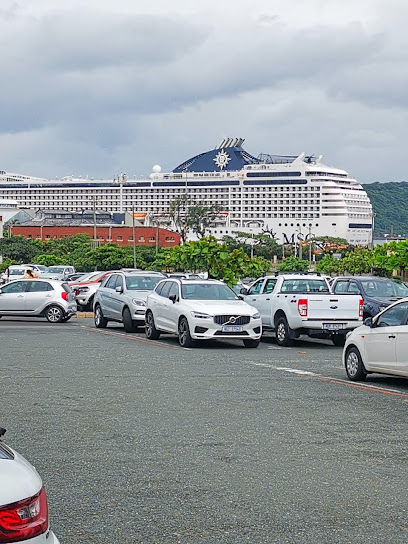
Practical aspects of logistics for travellers are addressed through parking and transport provisions. The terminal has 270 parking bays for light motor vehicles, with a paid parking system that accepts card payments only (no cash). The pricing structure includes short‑term rates (ranging from 20 to 80 rand across several time bands) and a long‑term cruise parking option at R160 per day. Coach parking and a dedicated drop‑off area accommodate tour operators and group travellers, with space for up to six coaches of 70 seats each. While no complimentary shuttle service is offered by the terminal, shipping agents are able to arrange shuttle arrangements to and from the terminal, reflecting a flexible approach to onward transport for cruise guests.
Public transport access is noted as being available for taxis, and the terminal’s design integrates practical steps to support a seamless transition from ship to street. The port information pages provide details on pilotage requirements, berth specifications, depth, tides and tugs, reflecting a broader operational context within which the terminal sits as part of Durban’s maritime and cruise‑industry infrastructure.
In terms of guest engagement and guest services, the terminal presents a focused set of access and information resources. A dedicated tourist information desk helps visitors orient themselves in the city and discover nearby attractions beyond the docking experience. The Destination section of the site highlights nearby experiences and excursions, such as visits to Moses Mabhida Stadium, Ushaka Marine World, Victoria Street Market, and other Durban highlights, along with sample excursion itineraries and preferred rates for terminal guests. Visitors are informed about local currency, credit card acceptance, and general visa considerations, inviting travellers to plan ahead for practicalities like currency and travel documentation.
The terminal’s location is emphasised as being within a five‑minute walk to Ushaka Marine World and a short drive to the Sun Coast casino, positioning KwaZulu Cruise Terminal as a convenient starting point for exploring Durban’s waterfront and broader urban experiences. The area served by the terminal includes Durban and the immediate KwaZulu‑Natal region, with guests often embarking on onward travel to destinations such as Mozambique and further afield.
Practical tips for customers include noting the drone prohibition within the KCT precinct unless approved by the appropriate authorities, planning for paid parking with the specified tariff bands, and recognising that cash payments are not accepted for parking. It is advisable to arrange any required shuttle services in advance through shipping agents if a complimentary option is not provided. For further information or to arrange berth bookings, the terminal provides contact channels to its information, bookings and security teams, all based at 151 Mahatma Gandhi Road, Durban, 4001.
Durban
KwaZulu-Natal
4001
South Africa
Sorry, no records were found. Please adjust your search criteria and try again.
Sorry, unable to load the Maps API.
Durban Cruise Terminal Services: Practical Insight for Visitors and Operators
Durban, located on the KwaZulu-Natal coastline, serves as a key gateway for cruise ships entering South Africa. The cruise terminal environment is designed to streamline passenger movement from ship to shore and back, while coordinating with port, city, and tourism partners. Visitors can expect a structured sequence of services that prioritise safety, efficiency, and an enjoyable onshore experience.
Upon arrival, passengers typically encounter controlled access to the terminal precinct, with security screening and immigration checks standard to most international itineraries. Port authorities and terminal staff manage these processes to minimise delays while ensuring compliance with customs and border requirements. Baggage handling is a core feature, with conveyors and staffed desks available to assist travellers who require help moving luggage between ship and land transport or hotel accommodations. In many cases, luggage is tagged for easy transfer to awaiting coaches, airport connections, or city centre hotels.
Passport formalities and health controls, when applicable, are coordinated through official channels at the terminal. Port health and customs clearance contribute to a smooth transition for those planning extended tours or pre- and post-cruise arrangements. The terminal environment often includes dedicated facilities or adjacent spaces for waiting and processing, which can provide a sense of organisation during peak arrival periods. Accessibility considerations are typically addressed, with assistance available for travellers with reduced mobility, families with young children, and individuals requiring special arrangements.
Shore excursions form a prominent part of the Durban cruise experience. Onshore operators, information desks, and booking points help passengers choose from a range of tours that explore the region’s natural beauty, cultural heritage, and urban attractions. Visitors may encounter a mix of half-day and full-day options, such as safaris, coastal drives, and visits to local markets or historic sites. Excursion providers usually coordinate meeting points near the terminal, transport arrangements, and timing to align with ship itineraries, thereby reducing the risk of missing a sailing.
Transport connections from the terminal are a practical consideration for guests and crew alike. Safe and reliable access to taxis, private hire vehicles, rental cars, and organised shuttle services is commonly available. Parking facilities at or near the terminal may cater to visiting crew, encouraging efficient embarkation and disembarkation processes. For travellers seeking convenience, some terminals provide information about public transport links, ride-hailing services, and nearby accommodation options.
On the retail and guest services front, the terminal often hosts a range of facilities aimed at making the onshore stay comfortable. This can include secure luggage storage, comfortable seating areas, charging points, and Wi-Fi access. Duty-free or souvenir shopping options adjacent to the terminal help travellers pick up gifts or necessities before continuing their journey. Medical facilities or first-aid points may be present for minor health concerns, offering reassurance in the event of unexpected needs.
Practical considerations for Durban’s cruise terminals include weather patterns, tidal conditions, and occasional delays caused by sea state or security checks. Passengers are advised to allow ample time for return to the ship and to monitor official notices about boarding windows and ship security procedures. In summary, Durban’s cruise terminal services are designed to support a coordinated, passenger-friendly experience that integrates immigration, baggage handling, port health checks, excursions, and onward travel, all while accommodating the distinctive character of KwaZulu-Natal and its hospitality landscape.