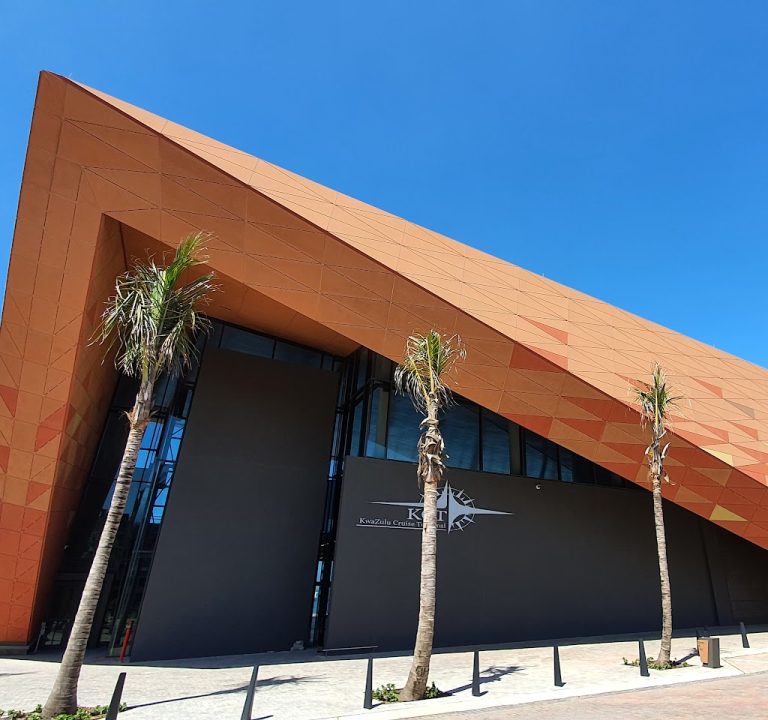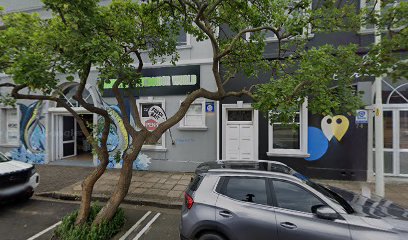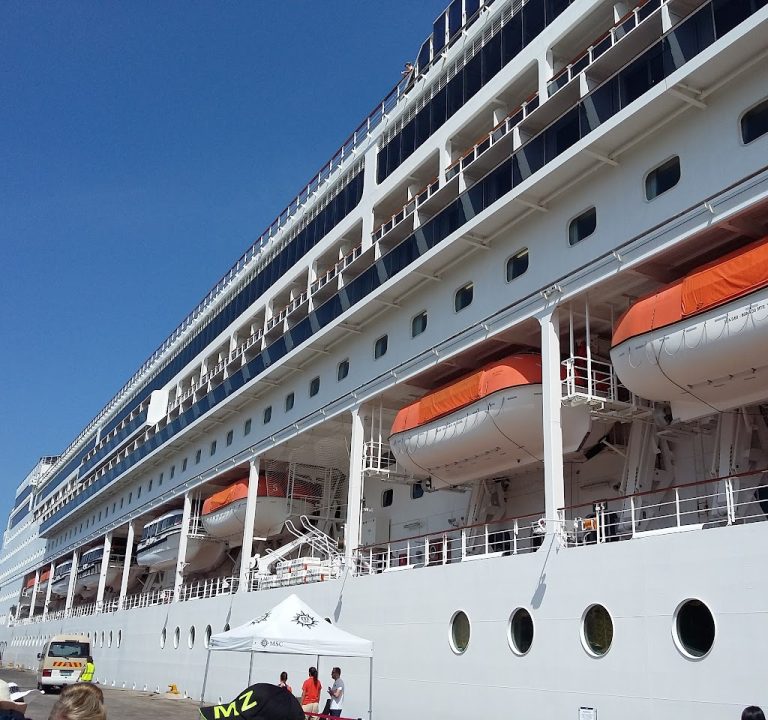
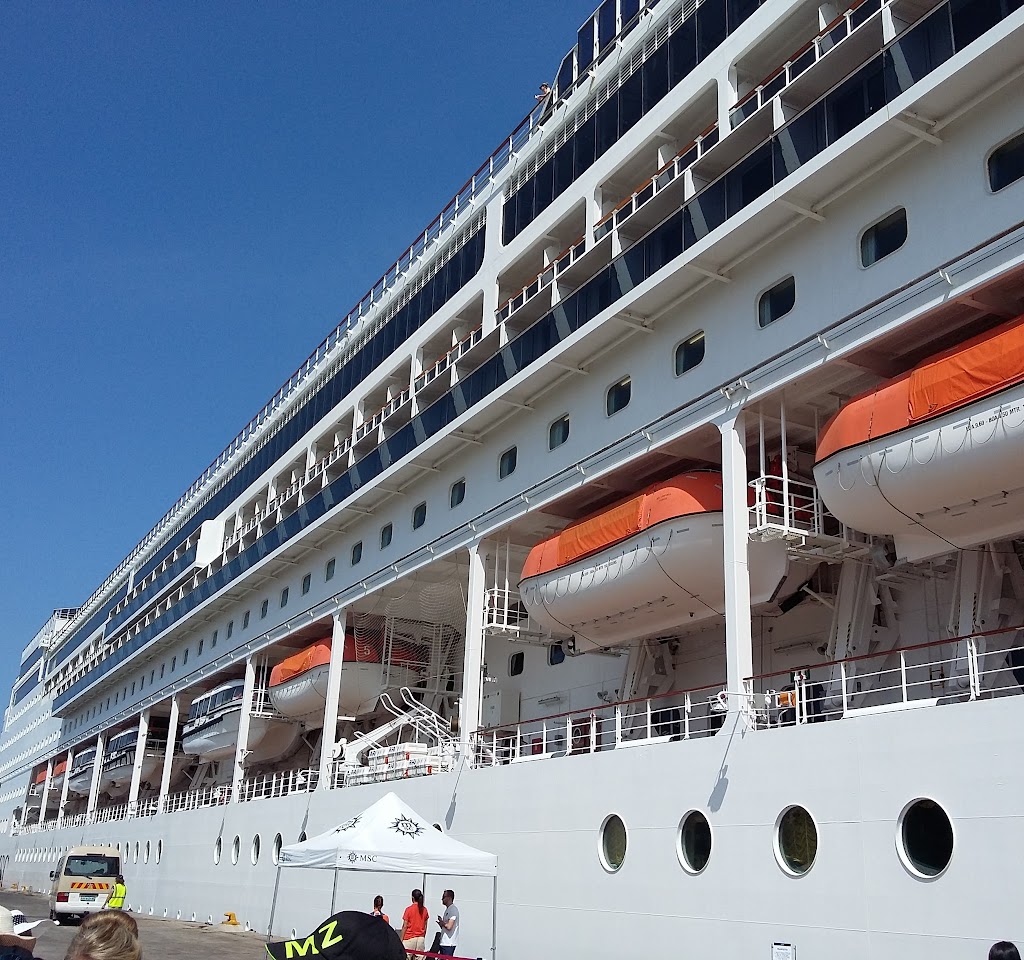
Msc Nelson Mandela Cruise Terminal is a Cruise terminal establishment in Durban, KwaZulu-Natal, South Africa
MSC Nelson Mandela Cruise Terminal, Durban: an overview of services and customer experience
The MSC Nelson Mandela Cruise Terminal in Durban is positioned within MSC Cruises South Africa’s broader network of regional operations, offering access to a range of cruise itineraries that travel from South Africa to destinations across Africa, the Mediterranean and beyond. From the client experience perspective, the terminal appearance and service philosophy align with MSC’s emphasis on comprehensive, well-organised travel that blends destination discovery with a high level of passenger care.
Core services presented by MSC Cruises South Africa centre on facilitating smooth embarkation and a broad portfolio of cruise options. The carrier highlights a variety of itineraries that traverse diverse cruising grounds, including local South African routes as well as international departures. This breadth supports customers seeking both culturally rich harbour experiences and more distant explorations, such as the Mediterranean and Caribbean destinations advertised on the brand’s site. While specific terminal furnishings or on-site facilities are not itemised in the available material, the emphasis remains on seamless passenger flow from arrival through to boarding and onboard enjoyment.
In terms of typical service offerings associated with the terminal experience, the website communicates several indicative elements of MSC’s operational approach. Booking and deal discovery are central features accessible via the official site, including last-minute and early-bird promotions, cabin upgrades, and international-cruise deals. Prospective travellers can search by destination, departure month, and port of departure to tailor options. This suggests a customer journey where information is readily accessible online, enabling visitors to compare itineraries before confirming travel plans.
The customer journey is further shaped by the brand’s stated focus on “The Art of Cruising,” a philosophy intended to merge refined service with meticulous attention to detail. While the terminal’s staff roles are not itemised, the overarching approach implies roles such as guest services, embarkation coordinators, and on-board support teams that aim to deliver a smooth transition from land to sea and back, as well as a curated on-board experience once at sea. The material also references a global network of partners, indicating collaboration to support service delivery, data handling, and guest experience enhancements in line with typical cruise-industry practices.
Requests and enquiries, as described by MSC Cruises South Africa’s online presence, are generally accommodated through the brand’s digital platforms. Customers can use the website to browse destinations, check deals, and initiate bookings. The site shows a range of promotional content and destination-focused pages, suggesting that individual requests—for example, itinerary adjustments, cabin selections, or speciality arrangements—are managed through standard booking workflows or customer service channels associated with the MSC Cruises ecosystem. Although explicit on-site procedures at the Durban terminal are not listed in the available content, the online booking framework indicates a structured, customer-centred process designed to streamline cruise planning.
Practical tips for prospective travellers considering the Durban terminal include planning for a clear search of itineraries from the Durban start point, noting the availability of South Africa-focused cruises alongside international options. Review current promotions such as cabin upgrades and early-bird deals to maximise value, and verify any booking terms, mandatory fees, or T&Cs linked to the specific sailing. Given the site’s emphasis on online engagement, travellers may benefit from preparing essential travel documentation in advance and having a preferred cabin type and seating preference in mind before interacting with the booking system.
Typical timelines and business hours are not specified within the available website content. However, the emphasis on online discovery and booking, together with the presence of regional terms and conditions, implies that planning can occur at any time with response times likely linked to standard customer-service operations. For visitors, it is sensible to check the official site for the most current information on sailing dates, port departures, and any region-specific advisories or requirements before making travel arrangements.
Geographically, the Durban operation sits within KwaZulu-Natal’s coastline, serving as a gateway for travellers entering the MSC network en route to southern African experiences and longer international itineraries. The broader MSC portfolio promotes destinations including South Africa, the Mediterranean, the Caribbean and other global itineraries, underscoring the terminal’s role as a hub within a wider tapestry of cruise experiences.
In summary, the MSC Nelson Mandela Cruise Terminal project in Durban is framed by an organised, destination-diverse cruising programme, UK-style customer service principles adapted for a South African context, and a digital-first approach to booking and information. Visitors can expect a logically designed process for discovering itineraries, reviewing promotional offers, and arranging travel, with emphasis on convenience, flexibility, and a comprehensive cruise-offering strategy.
Durban
KwaZulu-Natal
4001
South Africa
Sorry, no records were found. Please adjust your search criteria and try again.
Sorry, unable to load the Maps API.
Durban Cruise Terminal Services: A Practical Overview
Durban’s cruise terminal milieu in KwaZulu-Natal functions as a gateway for international visitors seeking a blend of maritime convenience and regional hospitality. Within the harbour complex, terminal facilities are designed to handle the flow of passengers, crew, and baggage while providing access to the city’s cultural offerings and natural scenery. The emphasis is on efficient throughput, secure processing, and a comfortable arrival and disembarkation experience.
A core set of services typically found at the Durban cruise terminal includes passenger processing, immigration and customs compatibility, and safety procedures. Staff and coordinating agencies work to verify travel documents, facilitate health and safety checks where required, and guide passengers through designated customs points. Clear signage, multilingual support, and accessible facilities aim to minimise confusion for travellers arriving after long ocean crossings. The process generally unfolds in stages: arrival at the terminal, document verification, clearance, and onward movement into the surrounding precinct.
Baggage handling and delivery form another essential strand of the service mix. Port authorities and ground handling teams coordinate the loading and unloading of luggage, with secure storage options available for bags or personal items that travellers choose to set aside during ship-to-shore excursions. For those continuing with organised excursions or independent city tours, on-site information desks and co-ordinated transfer options help travellers reach waiting coaches, taxis, or public transport with relative ease.
Transfer and transport arrangements are supported by a network of vehicle services operating adjacent to the terminal. Shuttle connections to central Durban attractions, the Golden Mile beachfront, the Old Town, and nearby lodgings often feature predictable schedules designed to align with ship timetables. Taxis and ride-hailing systems provide additional flexibility, particularly for travellers seeking bespoke itineraries or shorter visits to specific venues such as markets, botanical gardens, or indigenously inspired eateries.
Within the terminal, passenger comfort is addressed through waiting lounges, refreshment outlets, and sometimes small retail spaces. The environment is commonly configured to accommodate both short layovers and longer stopovers, with seating areas, climate control, and accessible facilities to assist travellers with mobility requirements. Restaurants or snack providers offer a range of quick meals and beverages, reflecting local cuisine alongside familiar options for international visitors.
Practical considerations for cruise passengers and crew in Durban include timing and local conditions. It is prudent to account for potential delays caused by port traffic, security checks, or inclement weather along the Indian Ocean coastline. travellers should verify whether customs or visa controls apply, and prepare any necessary documentation in advance. It is also sensible to carry a copy of travel plans, contact details for the ship’s guest services, and up-to-date emergency information.
Safety, security, and health provisions are integral to terminal operations. Access control, surveillance, and trained personnel contribute to a secure environment for both passengers and crew. Basic medical assistance may be available on-site or nearby, with clear guidance on how to reach healthcare services if required during a visit. Cleanliness and maintenance of facilities, including restrooms and waiting areas, are typically prioritised to ensure a pleasant experience in a busy port setting.
For those planning Durban as a port of call, the experience is shaped by a combination of efficient administrative processing, reliable ground transport links, and opportunities to explore the local KwaZulu-Natal landscape. While details may vary with ship itineraries and seasonal factors, the overarching framework remains focused on smooth passenger flows, accessible services, and practical arrangements designed to support memorable maritime visits.