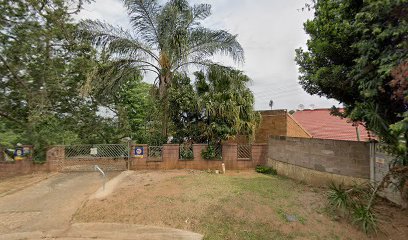
MASJID E QUWWATUL ISLAM, Shallcross is a Mosque establishment in Queensburgh, KwaZulu-Natal, South Africa
Queensburgh
KwaZulu-Natal
4079
South Africa


Sorry, no records were found. Please adjust your search criteria and try again.
Sorry, unable to load the Maps API.
Mosque services in Queensburgh, KwaZulu-Natal: a community hub for worship and support
In Queensburgh, KwaZulu-Natal, mosques function as more than places of prayer. They serve as community hubs where residents gather for daily worship, spiritual study, and social support. The atmosphere in these centres reflects a respectful blend of tradition and local community life, with spaces designed to accommodate men, women, and children for various religious and educational activities.
Typical services begin with the daily prayers (salah), often held at structured times aligned with the local community timetable. Friday prayers (Jumu’ah) usually attract a larger congregation and may include short sermons that address contemporary topics in a way that is accessible to local families and visitors. During the holy month of Ramadan, mosques frequently host extra prayers (Taraweeh), fasting information, iftar meals, and communal gatherings that emphasise shared charity and hospitality. Outside of Ramadan, a calendar of events may include congregational prayers for Eid al-Fitr and Eid al-Adha, as well as special programmes surrounding Islamic holidays.
Educational offerings form a core part of mosque life. Many mosques provide Qur’anic recitation classes, Arabic language instruction, and tafsir (interpretation of the Qur’an) for different age groups and levels. Family-oriented lectures and study circles are common, often addressing practical guidance for daily living in a South African context. In addition, workshops or seminars on topics such as ethics, finances in line with zakat (charity) obligations, and youth development are typically available or organised in partnership with the local Muslim community.
Welfare and charitable activities are integral to mosque services. Mosque programmes frequently include zakat distribution, food parcels, and support for those in need within the neighbourhood. Many mosques also maintain or support counselling and outreach initiatives, aiming to assist families with issues such as marriage, parenting, or grief. Arrangements for funerals and funeral prayers (janazah) are commonly coordinated through the mosque, providing logistical and spiritual guidance during difficult times.
Practical considerations for visitors include awareness of dress modesty and respectful conduct within the prayer spaces. Sections are typically designated for men and women, with child-friendly areas or timings available for families. Entry to mosques is usually welcome to visitors who observe local etiquette and remove shoes where required; some venues provide leather or storage options on site. Access to parking may vary by location, so planning ahead or arriving a little early is prudent during busy periods such as Fridays or Eid celebrations.
For those new to the area or exploring local facilities, it is useful to note that mosque services are generally family‑friendly and community-oriented. Members of the congregation may be available to guidance on prayer times, study groups, and volunteering opportunities. While mosques in Queensburgh do not publish universal schedules from a single authority, they typically operate with a shared aim of fostering spiritual growth, neighbourly support, and engagement with broader South African life in a respectful, inclusive manner.
Overall, mosque services in Queensburgh provide reliable spaces for worship and learning, reinforce communal ties, and offer practical assistance to residents. Visitors can expect clear attention to devotional practices, educational programmes for all ages, and an emphasis on charity and neighbourly care, all within a culturally contextual framework that reflects KwaZulu-Natal’s diverse and vibrant Muslim communities.
- Daily prayers and Friday Jumu’ah
- Ramadan programmes, iftars, and Eid gatherings
- Qur’anic and Arabic classes, plus tafsir and lectures
- Marriage, funerals, and community welfare support
- Youth programmes, counselling, and charitable activities